Application - Photovoltaic Devices

Solar Simulator for Photovoltaic Research

Test tandems, thin films, Si, and beyond with one instrument

Our LED Solar Simulators Are Trusted By

Precision Light for Photovoltaic Cell Testing

Photovoltaic cell research depends on one simple question: how does a device perform under controlled and repeatable light? For conventional silicon cells, this often means testing under a standard AM1.5G spectrum at 1 sun. For emerging photovoltaic technologies, however, the question is more complex. Tandem cells, multi-junction devices, perovskites, organic photovoltaics, indoor PV, and space-oriented solar cells can all respond differently to changes in spectrum, intensity, angle, temperature, and time.


That is why precision solar simulation is about producing the right spectrum, at the right intensity, with the right stability, and with the ability to repeat the same condition later. In photovoltaic labs, small spectral differences can change short-circuit current, current matching, efficiency, degradation behavior, and performance ranking between devices. This is especially important because multi-junction and tandem solar cells often require spectrally adjustable simulators to correctly balance the response of each sub-cell.


A high-quality LED solar simulator gives researchers direct control over light conditions. Instead of relying on a fixed lamp spectrum, researchers can tune wavelengths, adjust irradiance, reproduce AM1.5G or AM0 conditions, simulate low-light environments, and study location- or time-dependent sunlight profiles. This helps PV labs move from basic illumination toward controlled, wavelength-resolved photovoltaic characterization.

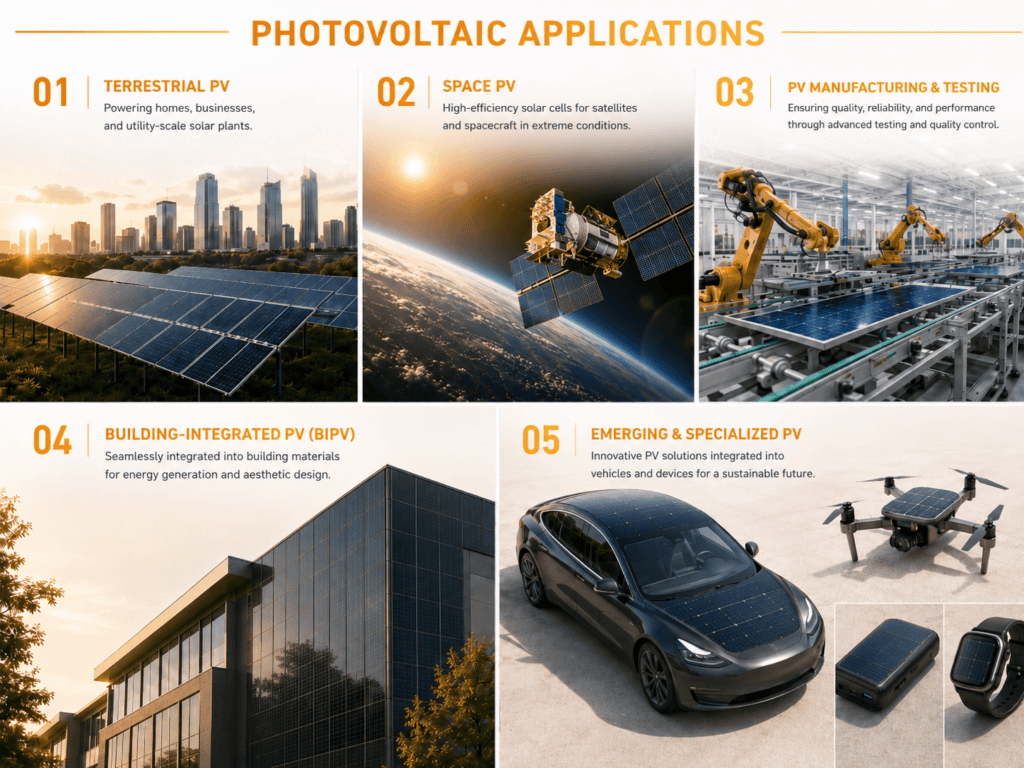
Photovoltaic Real Life Applications

Create the Future of Solar With Better Photovoltaic Testing

Solar-powered devices are one of the keys to creating a cleaner, more sustainable world. Making these devices effective and scalable means creating realistic and repeatable test conditions. When researching and developing PV devices, your light sources should never be “good enough.”

People depend on your research. You need to depend on your solar simulation.

At G2V, we’ve created large- and small-area solar simulation lights that provide the precision you need to accurately innovate, test, and iterate – easily, efficiently, and repeatedly.

pv-testing

reproduce sunlight

LED Solar Simulation for Photovoltaic Cell Testing

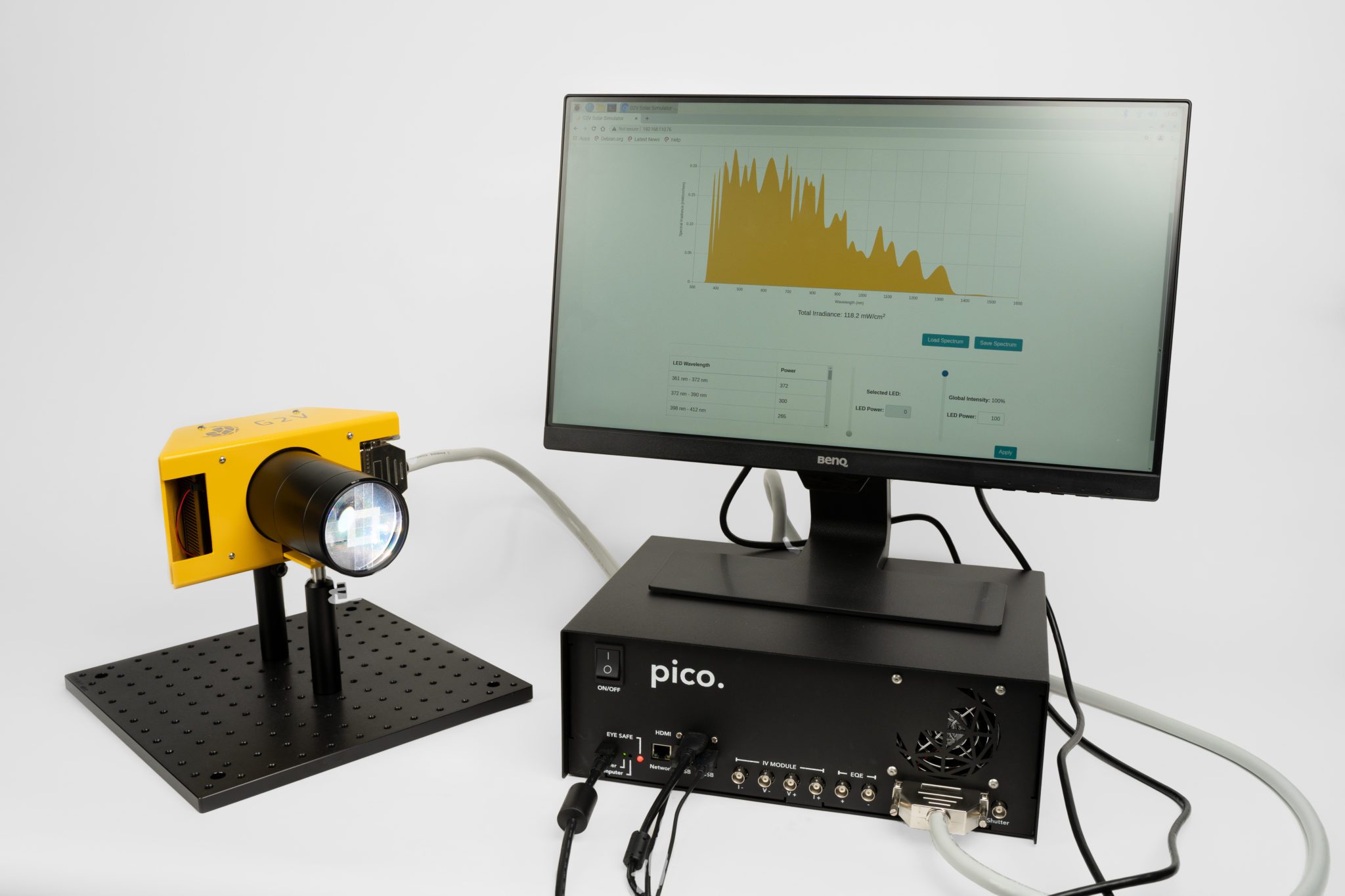
G2V Pico led solar simulator on desk horizontal with computer-Pico 1

Picoâ„¢AAA LED Solar Simulator for Photovoltaics

PV devices require precision, accuracy, and the quantification of key parameters to determine efficiency. The Pico small-area LED Class AAA solar simulator produces sunlight with a high spectral match, and offers several modules specifically designed for PV testing.
Get a solar simulator that supports every stage of your PV validation.

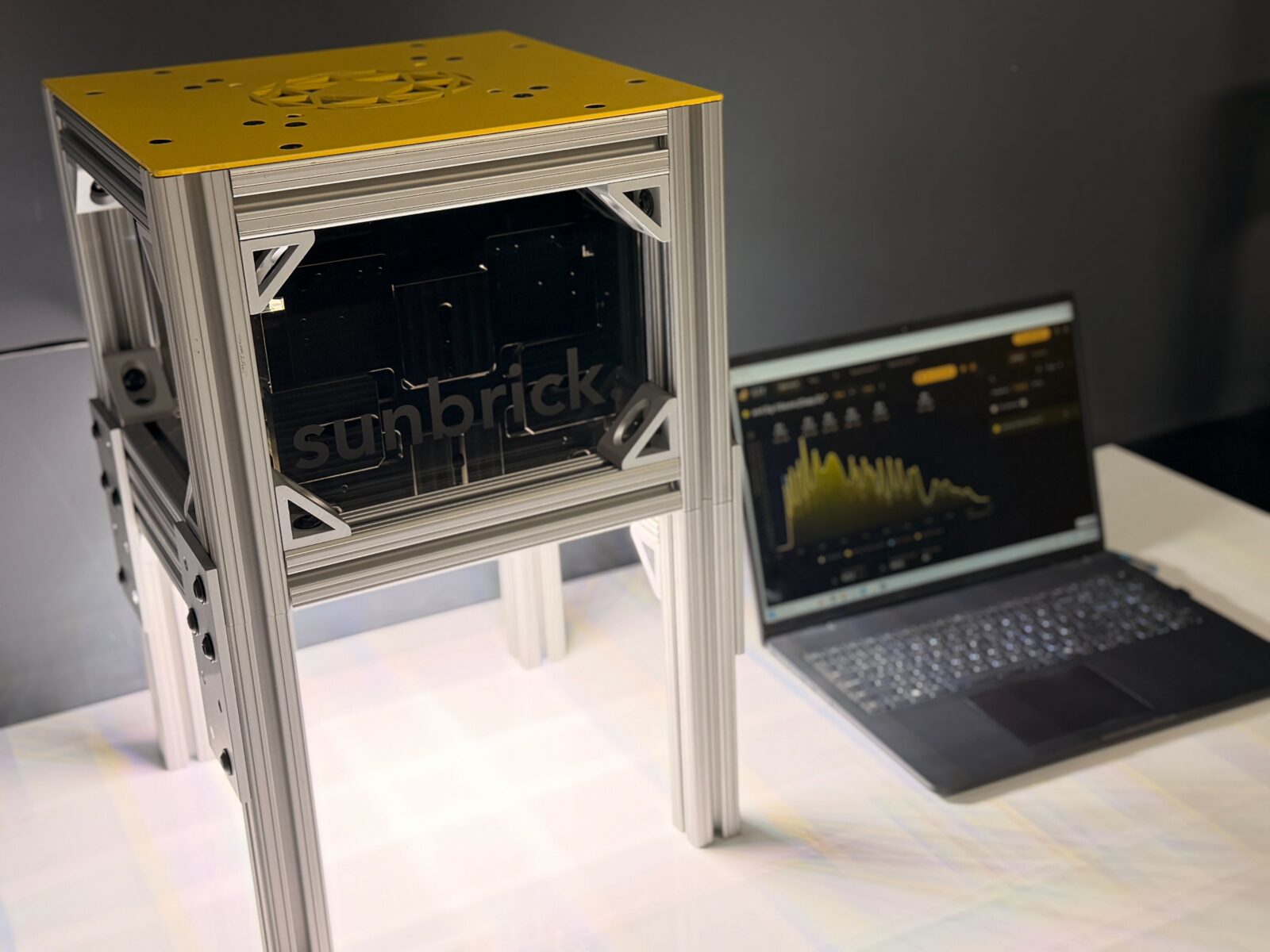
Sunbrickâ„¢ A+A+A+ LED Solar Simulator for Photovoltaics

Going from small cell to an entire solar panel can be challenging, with fabrication and material considerations you didn't foresee. The Sunbrick, powered by Suntile technology, large-area LED Class A+A+A+ solar simulator has a tileable design that allows you to test arbitrarily large sizes, so you can have confidence your up-scaled devices work as expected.


The Sunbrick provides a stable platform to grow with your PV cells. 

Photovoltaic Cell Testing Needs and Most Common Requests

PV researchers usually need more than a simple light source. They need a controlled experimental platform that supports standard testing, advanced characterization, and repeatable research workflows.

Common requests include:

  • Reproducing AM1.5G for terrestrial PV testing
    Reproducing AM0 for space-oriented photovoltaic applications
  • Testing at 1 sun, low light, or elevated irradiance conditions
  • Measuring I-V curves with stable and repeatable illumination
  • Studying tandem and multi-junction current matching
  • Testing perovskite, organic, dye-sensitized, thin-film, and silicon cells
  • Running long-term stability and degradation experiments
    Simulating indoor lighting conditions for IoT and low-power electronics
  • Studying diurnal cycles using automated intensity and spectral control
  • Creating and saving custom light recipes for repeatable testing
  • Integrating the simulator with SMUs, potentiostats, reference cells, spectrometers, and automated lab workflows
  • Reducing thermal artifacts caused by unwanted infrared heating
  • Comparing how devices perform under different geographic or seasonal sunlight conditions

For many labs, the most valuable feature is not only high classification under standard conditions. It is the ability to control, save, repeat, and modify light conditions based on the photovoltaic technology being tested.

“

Customize the intensity and wavelength profiles

We test the performance of our perovskite solar cells in a special chamber that controls variables like humidity and temperature to measure their behavior in real-life conditions. At the heart of our chamber is solar illumination, provided by the G2V Sunbrick simulator. The ability to customize the intensity and wavelength profiles, all while maintaining excellent uniformity and stability has been key in our perovskite manufacturing process.
Ajan Ramachandran, PhD - Optics Research Scientist
Ajan Ramachandran, PhD
Optics Research Scientist, Rayleigh Solar Tech

Photovoltaic Testing Frequently Asked Questions (FAQs)

Yes. LED technology has come a long way and continues to develop at a rapid pace, which has allowed longer and longer wavelength infrared LEDs to become commercially available.

No. Infrared LEDs are somewhat more expensive because they are newer technology, but G2V has worked hard to ensure that the overall solar simulator cost is on par or cheaper than competing technologies.

Yes! For large-area solar simulation, see the G2V Sunbrick, which can be tiled into arrays as large as you need.

If you haven’t gotten the answers you need from the Pico spec sheet, please get in touch and we’ll be happy to discuss your particular application.

Knowledge Base

Our Expertise. Your Home Base.

We ensure that our customers have access to resources that help them understand more about our products, relevant applications, and standards. Visit the knowledge base to learn more about the field of solar simulation, Class AAA standards, Aerospace PV, and more.

Arizona State University – Discerning True Performance Of Si/Perovskite Tandem Cells With Accurate IV Testing

Perovskite Accelerator Commercializing Technologies: Building Trust With a PACT for Solar Energy

Get Started

Talk to a Photovoltaic Expert About Your Project

You’re building a more sustainable world. You’re creating a better future. You deserve the information you need, when you need it.

That’s why we’d love to be in touch. We want to know if our innovations can make your project work better, your research be more accurate, and your product get to market more quickly. So let’s talk about your needs. We’re curious about what you’re working on.

testing-a-solar-panel