Comparison

G2V Optics Sunbrick vs G2V Sunbrick G1 - 400 nm - 1500 nm

TODO HERO Summary

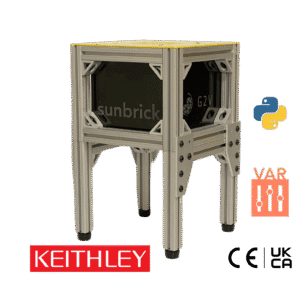
G2V Sunbrick LED Solar Simulator vs. G2V Sunbrick G1 - 400 nm - 1500 nm LED Solar Simulator
Spec-by-Spec Breakdown

Feature G2V Sunbrick LED Solar Simulator G2V Sunbrick G1 - 400 nm - 1500 nm LED Solar Simulator Questions To Ask Yourself
Area of Illumination - Class A 150 mm x 150mm up to modular 3x2 array sizes 200 mm x 200 mm up to 1x3 array sizes Will my Device Under Test (DUT) increase in size as my research progresses?
Area of Illumination - Class A+ 100 mm x 100mm up to modular array sizes TODO build field TODO build field
Spectral Range 350 nm – 1200 nm 400 nm - 1500+ nm Do I need UV photons starting at 300 nm or NIR coverage beyond 1100 nm, or will the power in these areas be sufficient?
Spectral Control Yes - 32 channels full spectrum control Yes - up to 36 spectrum control Will I need to simulate AM1.5G, AM0, or custom conditions?
IEC 60904-9 Compliance Class A+A+A+ Class AAA Do I need certified, high-accuracy performance across all IEC categories? What problems will I have with lower Class uniformity performance?
Spectral Coverage <98% TODO 100% is ideal
Spectral Deviation <27% TODO 0% is ideal. How closely does the spectrum need to match real sunlight for my application?
Spectral Match < ±9% ≤ ±5% How much spectral mismatch can my application tolerate before it affects measurement accuracy or material performance?
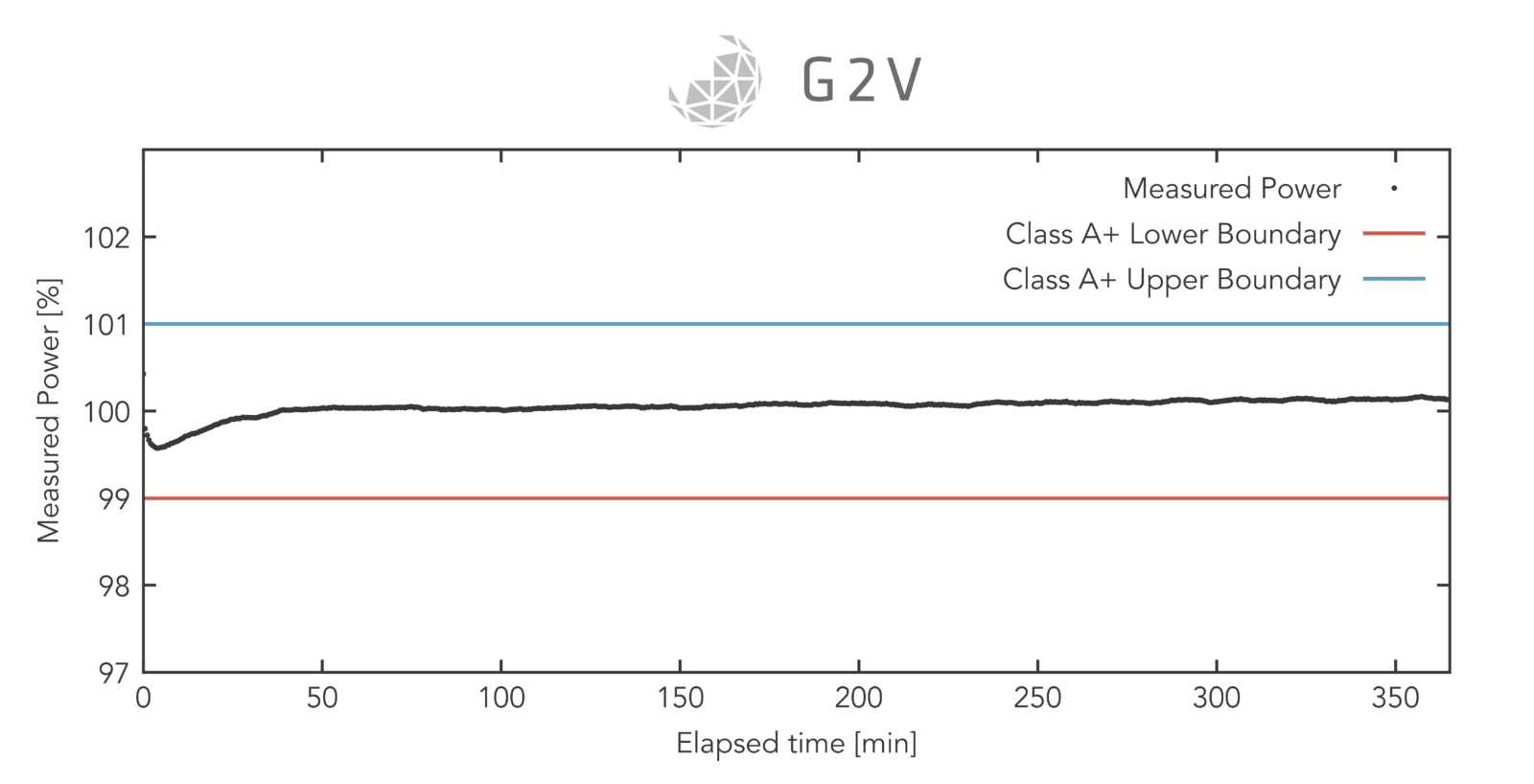
Long-Term Temporal Stability <1% ≤ ±2% How sensitive are my experiments to light stability over time?
Spatial Uniformity <0.8% ≤ ±2% Do I need consistent irradiance over the full sample surface? Could spatial variation compromise my data?
Lifetime 25,000+ hours 10,000+ hours How much downtime or recurring cost can I afford? What are the cost of bulb replacements? How many bulbs per year will I need?
Software & API Yes - Modern GUI and Python API included Yes - Desktop GUI, LabView DLL and Python API included Will I need automation, scripting, or lab instrument integration? Will I need to run scripts across multiple instruments?
Maintenance No consumables; No alignment needed; No consumables; no alignment needed How much downtime or recurring cost can I afford? What are the cost of bulb replacements? How many bulbs per year will I need?
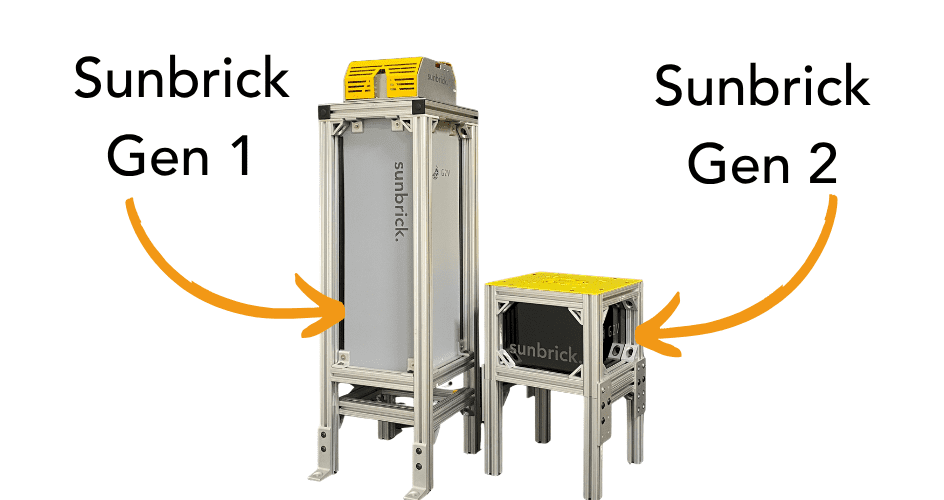
System Footprint 33cm x 33 cm x 50 cm. Both base and illumination head are 25 cm tall TODO build field TODO build field - Does my setup require space efficiency?
Price Point <$100/cm² TODO Does the price reflect full system capability and long-term value? Will I need to upgrade or maintain later?

Sunbrick vs G2V Sunbrick G1 - 400 nm - 1500 nm LED Solar Simulator

What You Risk and What You Gain in Your Solar Simulator Choice

What You Risk with the G2V Sunbrick G1 - 400 nm - 1500 nm LED Solar Simulator

What You Gain with the Sunbrick LED Solar Simulator

  • Advanced Spectral Tunability
    32 tunable LED channels let you recreate AM1.5G, AM0, or custom profiles ideal for next-gen tandem devices and evolving materials.
  • Larger Certified Test Area
    10 × 10 cm of Class A+A+A+ and 15 × 15 cm of Class AAA illumination means more space, better uniformity, and fewer compromises in your experimental design.
  • Seamless Automation
    Integrate with IV tools like the Keithley 2400/2600 series, run scripts via Python, and automate every aspect of your light control.
  • Designed for Lab Efficiency
    Compact footprint, glovebox compatibility, and no consumables reduce lab complexity and support more flexible deployment.
  • True Future-Proofing
    While other systems mimic the sun, the Sunbrick gives you control, backed by performance that meets or exceeds the latest IEC 60904-9:2020 standards.

The Sunbrick: Built for Rigorous Research

Class A+ Light for Research That Demands Accuracy
Precise, repeatable, full-spectrum light: whatever your application
.

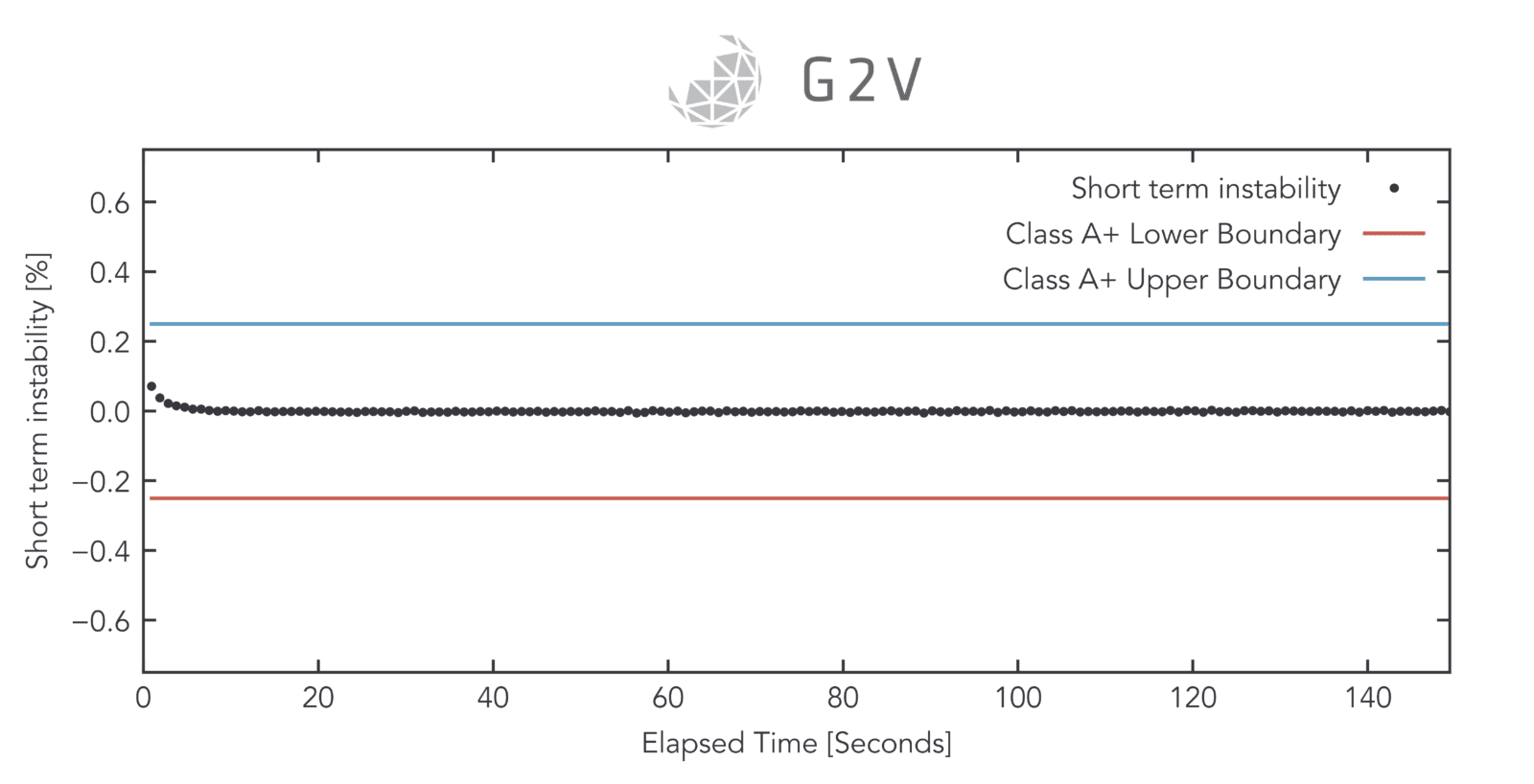
Every comparison starts with specs, but the best instruments prove themselves in the data. G2V’s Sunbrick is Class A+A+A+ rated to IEC60904-9:2020, covering 350 nm – 1200 nm across 32 tunable LED channels, with spatial non-uniformity ≤ 0.8% and short-term instability under 0.025%. See how it stacks up.

The most accurate solar spectrum available in an LED simulator.

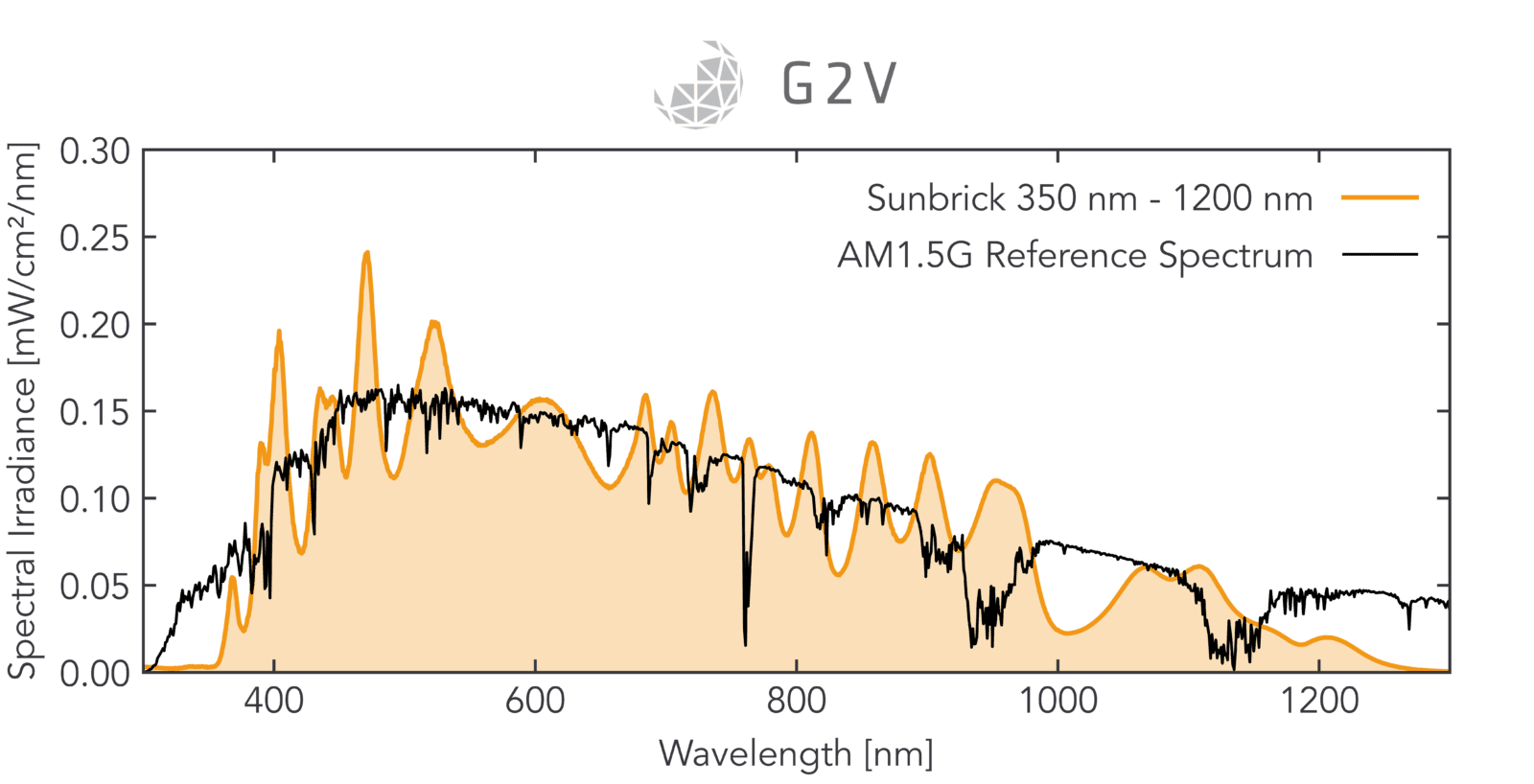
G2V next generation Class A+A+A+ LED solar simulator Sunbrick spectral irradiance chart matched to AM1.5G reference spectrum, 350–1200 nm , 32-channel tunable, Class A+A+A+ IEC60904-9
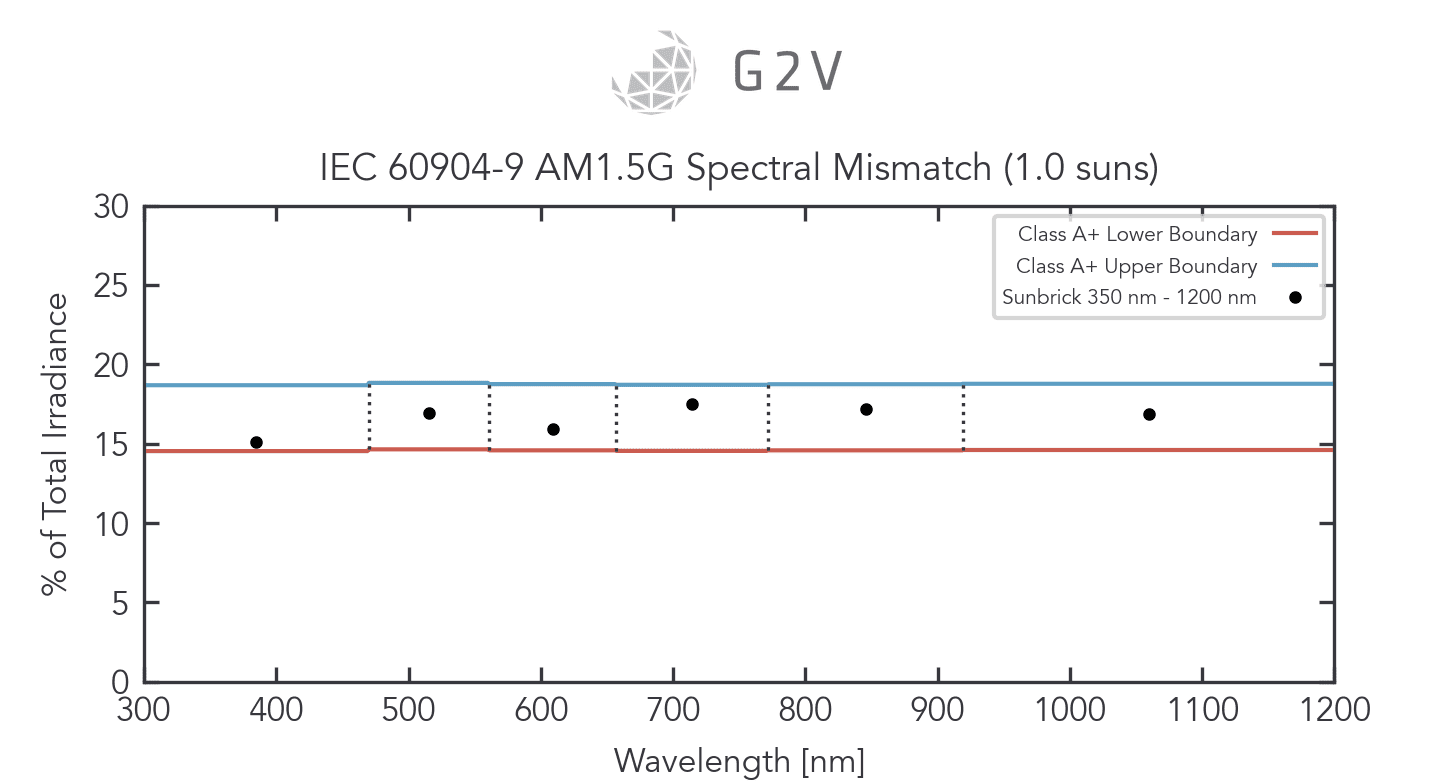
Class A+ Spectral Match

The Sunbrick AM1.5G spectral output covers 350-1200 nm across 32 tunable LED channels, exceeding IEC60904-9:2020 Class A+ requirements and the ASTM E927 standard.

Consistent, repeatable light across every millimetre of your sample.

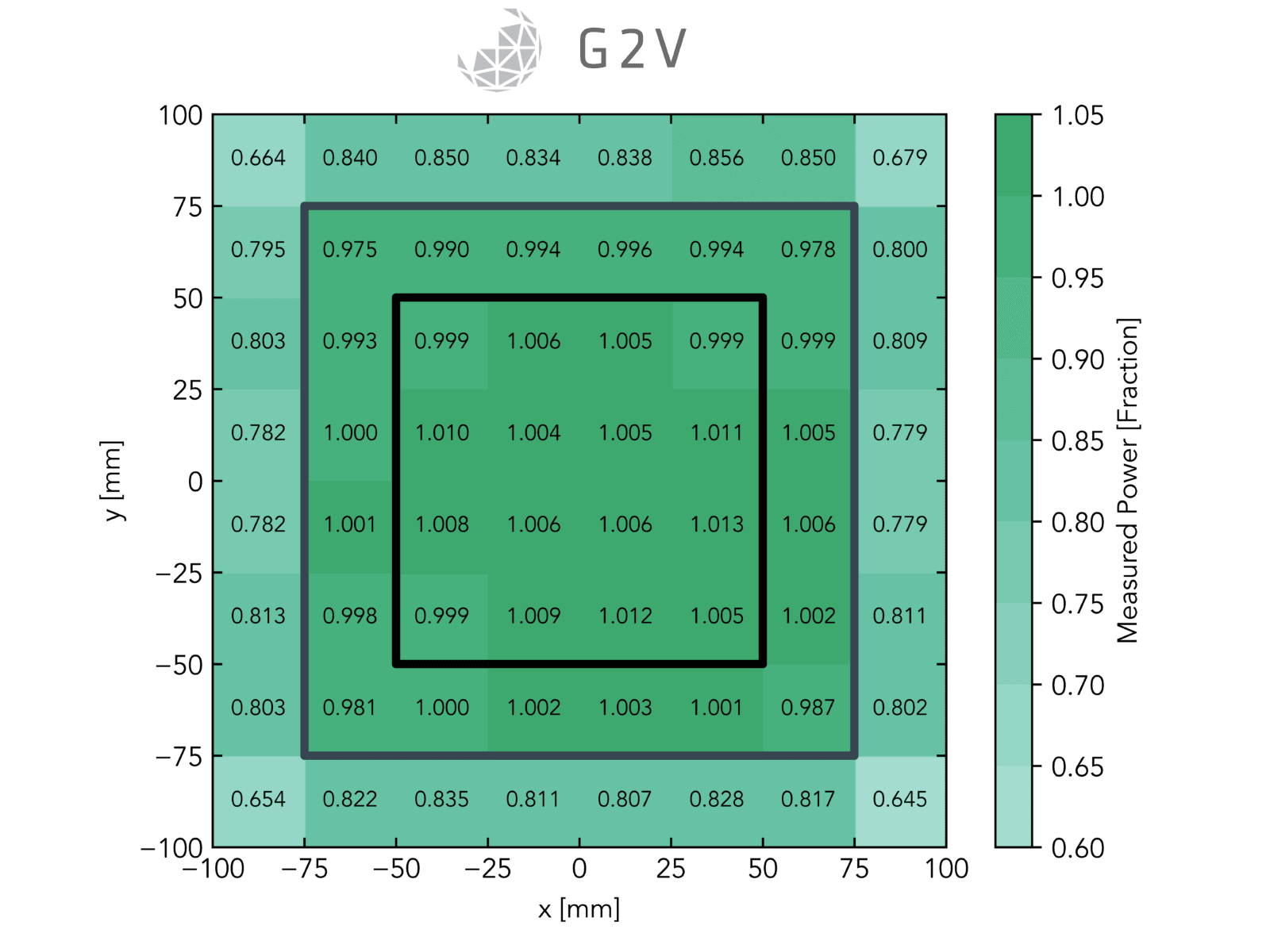
Class A+ Spatial Uniformity

Spatial non-uniformity of ≤1% across a 10×10 cm Class A+ illumination area – with Class A uniformity extending to 15×15 cm for larger samples.

From power-on to publication-ready data in seconds.

Class A+ Temporal Stability

Short-term temporal instability under 0.25% from a 2-second cold start, with long-term instability below 1% over a rated 25,000-hour lifetime.

Why Leading Labs Choose Solar Simulators from G2V Optics

Top-tier labs in aerospace, photovoltaics, and materials science are turning to the G2V Sunbrick because they need more than just light; they need controlbulky Xenon systems with drifting spectra and manual control don’t cut it.

Whether you’re:

  • Validating next-gen solar cell performance

  • Simulating real-world solar conditions across custom spectra

  • Or automating precise, long-duration optical tests

The Sunbrick delivers Engineered Sunlight™ without the optical benches, bulb changes, or setup headaches. Just stable, repeatable, programmable light. Wherever and whenever you need it.

Future-proof your lab. Simulate natural sunlight with confidence.

Fill out the form below to learn more about the G2V Optics Sunbrick - Precise Tunable LED Solar Simulation

Explore How Other Alternatives Compare To The G2V Optics Sunbrick

Finding a consistent format of information comparing solar simulators and other alternatives isn’t easy. Our articles are designed to consolidate the information and keep you from needing to explore endless pages of search results

Knowledge Base

Solar Simulator Standards & Applications Is Covered In Our Solar Simulation Knowledge Base!

Explore our knowledge base to learn more about customers’ work in the STEM field, the IEC standards, and the physics properties of light and how they apply to different applications. Our knowledge base is designed to make finding information on solar simulation faster than light.

Collimated Light & Angle of Emission Explained

Solar Simulator Prices: Determine the TCO before buying

Unless otherwise specified, G2V Optics Inc. warrants that the products purchased will perform as specified, free of manufacturer defects, for a period of two (2) years from the date of delivery. In the case of any defect, G2V will replace or repair the defective products with products of equivalent function at the choosing of G2V. This warranty does not cover damage caused by abnormal use or conditions, including misuse, neglect, improper service, non-approved parts, or insurable or non-insurable events or natural disasters.